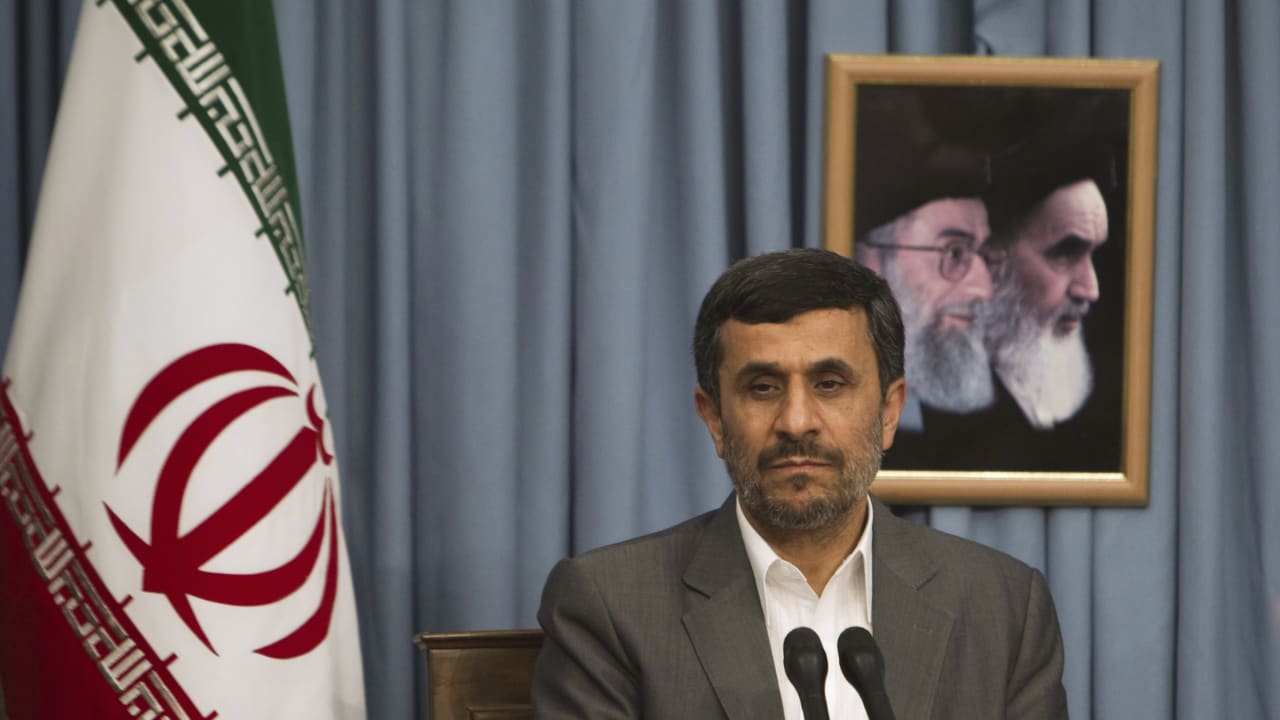
Unpacking "Ahmadinejad Gedood Aanvallen": A Deep Dive into Web Information Gaps
In the vast expanse of the internet, certain search queries can lead us down perplexing paths, often resulting in more questions than answers. One such phrase that has piqued the curiosity of many users, particularly those searching in Dutch, is "ahmadinejad gedood aanvallen." Translated, this roughly means "Ahmadinejad killed attacks" or "Ahmadinejad killed in attacks." The immediate implication suggests a significant event—perhaps the former Iranian president, Mahmoud Ahmadinejad, being a casualty of an assault. However, a comprehensive investigation into available credible sources, including those often referenced for historical and political context, reveals a conspicuous absence of such information. This article aims to explore why this specific search term yields little verifiable data, distinguishing fact from potential fiction and offering insights into navigating the complexities of online information.
Our initial exploration, delving into established databases and widely recognized historical accounts concerning Mahmoud Ahmadinejad's tenure and post-presidency, consistently points to a lack of any confirmed reports of him being killed in an attack. This discrepancy highlights a crucial aspect of digital literacy: the need to critically evaluate search results and understand the origins of information—or, in this case, the lack thereof.
The Elusive Truth: Why Information on "Ahmadinejad Killed Attacks" is Scarce
The primary reason for the scarcity of information directly linking Mahmoud Ahmadinejad to the phrase "ahmadinejad gedood aanvallen" is quite straightforward: there is no credible, widely reported event indicating he was killed in any attack. Ahmadinejad, who served as Iran's sixth president from 2005 to 2013, remains a public figure and has been active in Iranian politics and public discourse long after his presidency. Were such a high-profile individual to be killed in an attack, it would undoubtedly be a major international news story, widely covered by reputable media outlets globally. The absence of such reporting across multiple reliable sources is, in itself, a significant piece of information.
Misinformation and Mistranslation: A Common Digital Pitfall
The genesis of a search term like "ahmadinejad gedood aanvallen" can often be attributed to several factors:
- Misinformation or Rumors: In the age of rapid information spread, unverified rumors or deliberate disinformation campaigns can quickly gain traction, leading individuals to search for non-existent events.
- Mistranslation or Misinterpretation: Language barriers can often lead to misunderstandings. A phrase in one language might not directly translate or carry the same meaning in another, potentially creating confusion. The Dutch phrase "gedood aanvallen" could, in some contexts, be a misconstruction or a search for information related to "attacks killed" (as in, attacks that were thwarted or neutralized), rather than "killed in attacks."
- Confusion with Other Incidents or Individuals: It's not uncommon for events involving one prominent figure to be mistakenly attributed to another, especially within a similar political or geographical context. This leads us to consider other significant events that may have inadvertently contributed to such a search query.
Distinguishing Fact from Fiction: Ahmadinejad's Presidency vs. Other Tragedies
It's vital to differentiate the lack of information regarding "Ahmadinejad killed attacks" from actual, documented events involving other Iranian figures. For instance, the assassination of prominent Iranian general Qasem Soleimani in a U.S. drone strike in January 2020 was a globally reported incident with significant geopolitical ramifications. While Soleimani served under various administrations, including Ahmadinejad's, his death is entirely separate from any rumors concerning Ahmadinejad himself. Understanding this distinction is crucial for accurate information retrieval and for avoiding the spread of misinformation. For a clearer picture on distinguishing between rumors and documented events, especially concerning high-profile Iranian figures, consider exploring Ahmadinejad Rumors vs. Soleimani's Death: Clarifying Attacks.
The Geopolitical Landscape During Ahmadinejad's Era
While Mahmoud Ahmadinejad was not reported to have been killed in attacks, his presidency (2005-2013) was certainly marked by significant geopolitical tensions and internal challenges. His administration oversaw periods of heightened international scrutiny over Iran's nuclear program, increased sanctions, and various regional conflicts. During this time, the role of institutions like the Islamic Revolutionary Guard Corps (IRGC) became increasingly central to Iran's defense and internal security apparatus.
The IRGC's Evolving Influence Under Ahmadinejad
The Islamic Revolutionary Guard Corps saw its influence and operational scope expand significantly during Ahmadinejad's time in office. This expansion wasn't limited to military activities but also extended into economic and political spheres. The IRGC, initially conceived as a revolutionary militia, evolved into a powerful military, economic, and political force, deeply embedded in the fabric of the Iranian state. This shift in the IRGC's role and its increased involvement in various sectors were defining features of Ahmadinejad's administration, reflecting broader changes within Iran's power structure. Understanding this context helps to provide a backdrop for the political environment Ahmadinejad operated within, even if unrelated to the specific "killed attacks" query. For a deeper dive into this period, you can read more about Mahmoud Ahmadinejad's Era: IRGC's Expanded Role Explored.
Navigating the Digital Fog: Tips for Verifying Sensitive Information
The journey to understand terms like "ahmadinejad gedood aanvallen" underscores the vital importance of digital literacy and critical thinking. In an era saturated with information, both accurate and misleading, developing a discerning eye is paramount.
The Importance of Credible Sources
When encountering potentially sensational or impactful news, especially concerning political figures or international events, always prioritize information from established, reputable news organizations, academic institutions, and official government statements. Be wary of unverified social media posts, obscure blogs, or websites that lack transparent editorial policies.
Cross-Referencing and Critical Thinking
A golden rule for information verification is to cross-reference. If a piece of news is genuinely significant, it will be reported by multiple independent and credible sources. If only one or two obscure outlets are reporting an event, especially without corroborating evidence, it's a strong indicator that the information may be inaccurate or entirely fabricated. Ask yourself:
- Who is the source of this information?
- What evidence supports the claim?
- Has this information been reported by other reputable news organizations?
- Could there be a language barrier or mistranslation at play?
- Does the claim sound plausible given what you already know about the subject?
Applying these critical thinking steps can help individuals sift through the "digital fog" and distinguish verified facts from rumors or misinformation, ensuring a more informed understanding of global events and figures like Mahmoud Ahmadinejad.
Conclusion
The investigation into the search term "ahmadinejad gedood aanvallen" serves as a powerful reminder of the challenges inherent in navigating online information. While the query suggests a dramatic event, all credible evidence points to its lack of factual basis. Mahmoud Ahmadinejad has not been reported killed in any attack. Instead, the persistent appearance of such a search term likely stems from a combination of misinformation, mistranslation, or confusion with other significant events involving Iranian figures. This highlights the critical need for users to engage with online content actively, employing verification techniques and relying on reputable sources to build an accurate understanding of the world.