Ahmadinejad Rumors vs. Soleimani's Death: Clarifying Attacks
The digital age, while a boon for information access, also presents significant challenges in distinguishing fact from fiction, especially concerning sensitive geopolitical events and prominent figures. A recurring point of confusion and misinformation revolves around the fates of Iranian leaders, often leading to search queries such as "ahmadinejad gedood aanvallen" (Ahmadinejad killed attacks). This article aims to definitively clarify these often-misleading rumors, contrasting them with the documented reality of Qasem Soleimani's assassination and offering insights into navigating the complex landscape of online information.
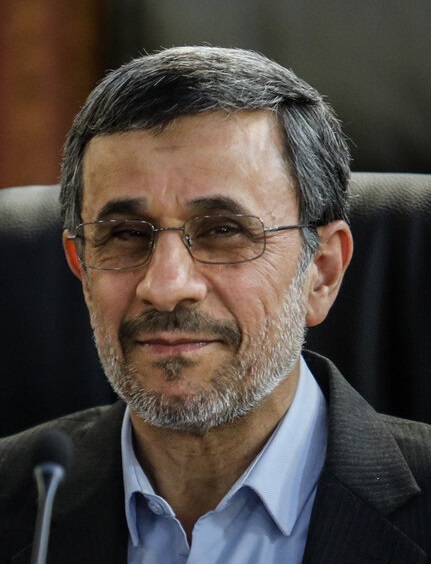
For anyone searching for "ahmadinejad gedood aanvallen," it's crucial to understand that there is no credible evidence or official report to suggest that former Iranian President Mahmoud Ahmadinejad has been killed in any attack. This specific search query likely stems from a blend of political speculation, a general climate of misinformation surrounding the region, and perhaps a conflation with other high-profile events involving Iranian military or political figures. Ahmadinejad, while no longer president, remains a visible, albeit controversial, figure in Iranian politics, making public appearances and issuing statements from time to time. The rumors of his death are entirely unfounded.
The Persistent Rumor: Ahmadinejad "Gedood Aanvallen" Debunked
The phrase "ahmadinejad gedood aanvallen" translates directly from Dutch to "Ahmadinejad killed attacks." The persistent appearance of this specific search term highlights a broader phenomenon of online misinformation. Often, such rumors gain traction due to several factors:
- Political Speculation: Iran's geopolitical significance and internal political dynamics often fuel intense speculation, which can sometimes escalate into false reports.
- Language Barriers: Information originating from different languages can be misinterpreted or mistranslated as it spreads globally.
- Social Media Echo Chambers: Platforms like X (formerly Twitter), as noted in general social media activity, can rapidly amplify unverified claims before factual corrections can catch up.
- Conflation with Other Events: The death of other high-profile Iranian figures might lead to a mistaken association with Ahmadinejad.
It's vital to stress that Mahmoud Ahmadinejad is alive and has not been the target of any publicly reported, fatal attacks. His post-presidency activities include occasional political commentary, public appearances, and even attempts to run for future elections, though these attempts have sometimes been thwarted by Iran's Guardian Council. Therefore, any search result or article claiming "ahmadinejad gedood aanvallen" should be approached with extreme skepticism and cross-referenced with reputable news organizations. For a deeper dive into the context surrounding such online queries, you might find value in exploring
Ahmadinejad 'Killed Attacks': The Missing Web Information.
Qasem Soleimani's Assassination: A Factual Account
In stark contrast to the baseless rumors surrounding Ahmadinejad, the death of General Qasem Soleimani, commander of the Islamic Revolutionary Guard Corps (IRGC)'s Quds Force, was a real, globally impactful event. Soleimani was killed on January 3, 2020, in a U.S. drone strike near Baghdad International Airport in Iraq. This event was widely reported by all major international news agencies and confirmed by both U.S. and Iranian authorities.
Soleimani was a tremendously powerful and influential figure within Iran and across the Middle East. As the head of the Quds Force, he was responsible for Iran's extraterritorial military and clandestine operations, playing a pivotal role in supporting various allied militias and governments in Iraq, Syria, Lebanon, and Yemen. His death dramatically escalated tensions between the United States and Iran, sparking widespread condemnations from Iranian officials and significant regional unrest. The incident remains a significant point of reference in contemporary Middle Eastern geopolitics. The clear, documented facts of Soleimani's death serve as a critical point of comparison when evaluating the unsubstantiated claims related to "ahmadinejad gedood aanvallen."
Navigating Information in a Complex Geopolitical Landscape
The disparity between the rumors surrounding Ahmadinejad and the factual death of Soleimani underscores the critical importance of media literacy and critical thinking in today's information environment. When confronted with sensational headlines or unverified reports, especially those concerning international politics and figures, consider the following practical tips:
- Verify Sources: Always check if the information is coming from a reputable, established news organization with a history of accurate reporting. Be wary of anonymous sources or social media posts without independent corroboration.
- Cross-Reference: If a major event has occurred, multiple credible news outlets will report on it. If only one obscure source is making a claim, it's likely unreliable.
- Examine the Evidence: Does the report provide specific details, quotes from officials, and corroborating evidence? Or is it vague and reliant on conjecture?
- Consider the Agenda: Be aware that some sources may have political or ideological biases that influence their reporting. This doesn't necessarily make them wrong, but it requires a more critical assessment.
- Look for Updates: Initial reports can sometimes be inaccurate or incomplete. Reputable news organizations will issue corrections or updated information as more facts emerge.
Ahmadinejad's Political Stature and the IRGC's Influence
Understanding Mahmoud Ahmadinejad's period as president (2005-2013) offers valuable context for why he might be a subject of intense public interest, even if the "ahmadinejad gedood aanvallen" rumors are false. During his tenure, the Islamic Revolutionary Guard Corps (IRGC) saw a significant expansion of its role and influence, extending beyond its traditional military functions into economic and political spheres. Ahmadinejad's populist rhetoric and confrontational foreign policy style also kept him in the international spotlight, making him a figure frequently discussed in the context of Iran's geopolitical standing.
This historical context helps explain why his name might appear in conjunction with terms like "attacks" or "deaths" in search queries, simply due to his prominence and the turbulent environment of Middle Eastern politics. For a deeper understanding of this era and the IRGC's evolving power, exploring resources like
Mahmoud Ahmadinejad's Era: IRGC's Expanded Role Explored can provide valuable insights. It’s crucial, however, to differentiate historical context and political influence from unsubstantiated claims of personal harm.
Why the Confusion Persists: Understanding Misinformation
The persistence of misinformation, such as the "ahmadinejad gedood aanvallen" rumor, can be attributed to several psychological and societal factors. Sensational news travels faster, especially online, and people are often more likely to share content that evokes strong emotions without first verifying its accuracy. Additionally, confirmation bias can lead individuals to seek out and believe information that aligns with their pre-existing beliefs, even if that information is false. The sheer volume of data online makes it difficult for individuals to process and filter information effectively, creating fertile ground for rumors to take root and spread. Developing a critical approach to information consumption is not just a recommendation; it's a necessity in the digital age.
Conclusion
In conclusion, the claim embodied by the search term "ahmadinejad gedood aanvallen" is unequivocally false. Former Iranian President Mahmoud Ahmadinejad is alive, and there have been no credible reports of him being killed in any attack. This widespread misconception stands in stark contrast to the well-documented and globally reported assassination of General Qasem Soleimani in January 2020, a real event with profound geopolitical consequences. Distinguishing between such unfounded rumors and verified facts is paramount for understanding the complex realities of international relations. By exercising critical thinking, verifying sources, and being aware of the mechanisms through which misinformation spreads, we can collectively contribute to a more informed and accurate understanding of global events and the figures who shape them.